








The Emmy Noether Programme gives exceptionally qualified early career researchers the chance to qualify for the post of professor at a university by leading an independent junior research group for a period of six years.
6. Emmy Noether Junior Research Groups
Early career researchers currently head the following Emmy Noether Junior Research Groups at Leipzig University:
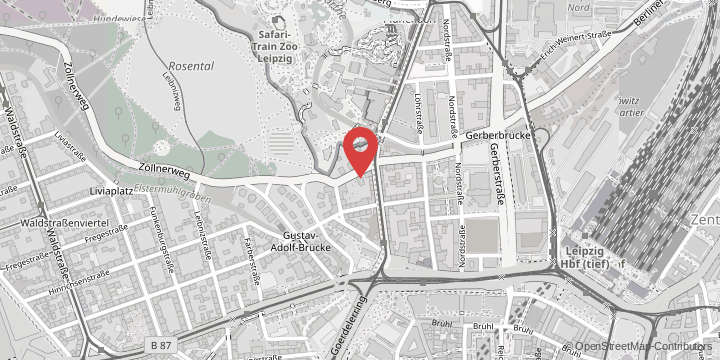
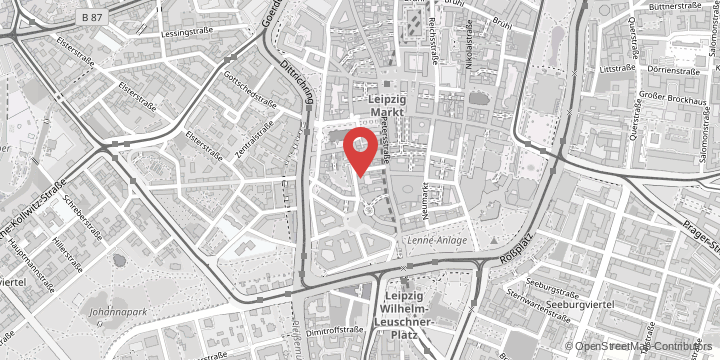
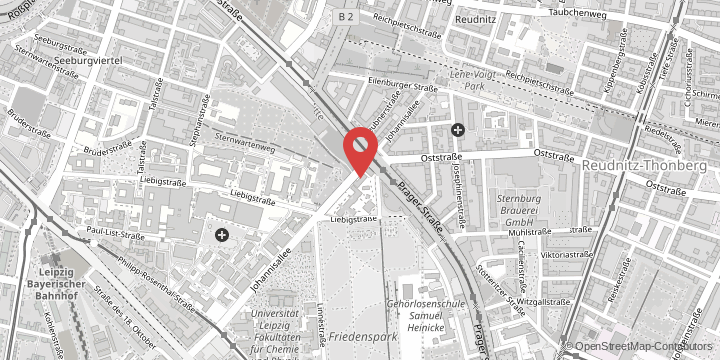
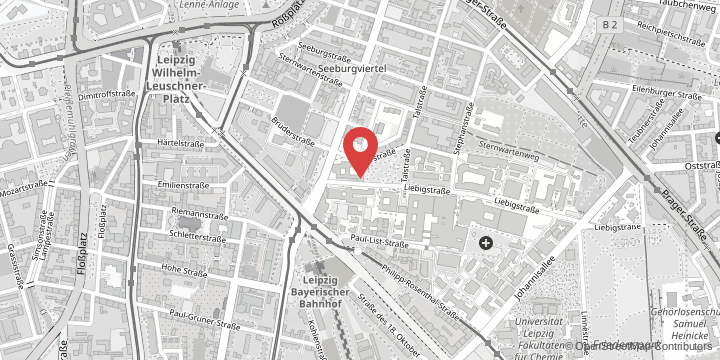
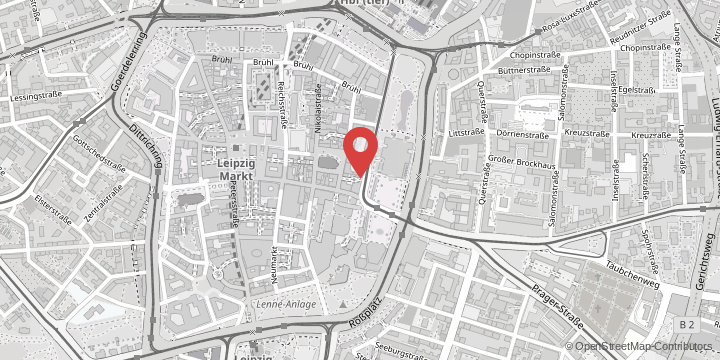
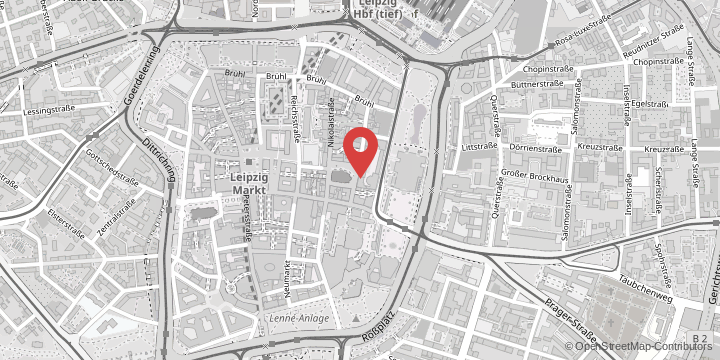
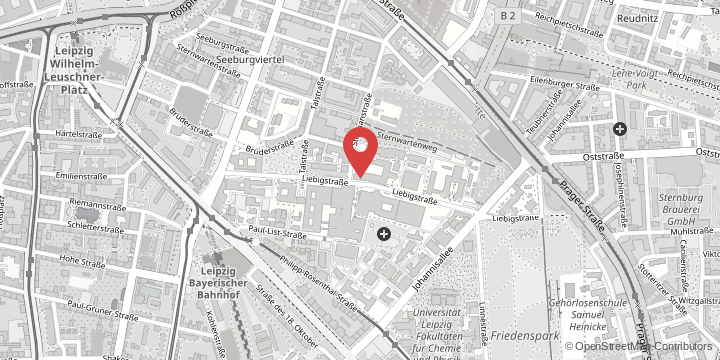
Dr Eva Zimmermann heads the “Grammatical Strength in Prosodic Morphology: Typology and Theory” Emmy Noether Junior Research Group at the Institute of Linguistics. The aim is to examine whether and to what extent the phonetic representations that encode our linguistic knowledge are gradient. The research programme is founded on the hypothesis that asymmetries where apparently identical phonological elements behave differently is due to differences in their gradient strength.
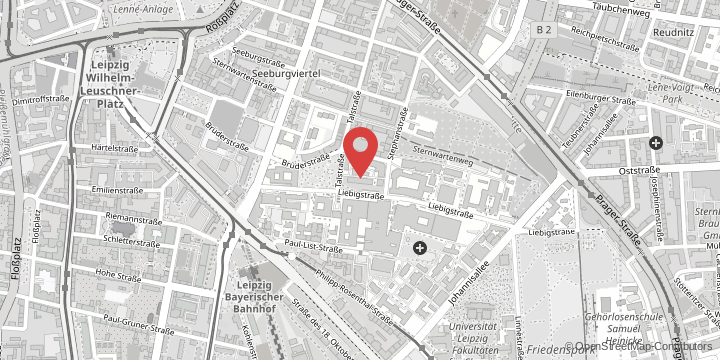
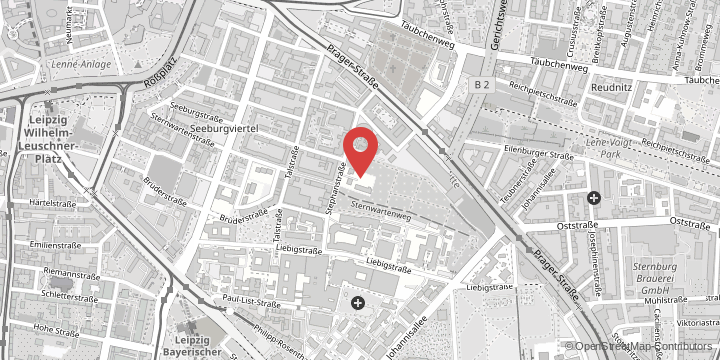
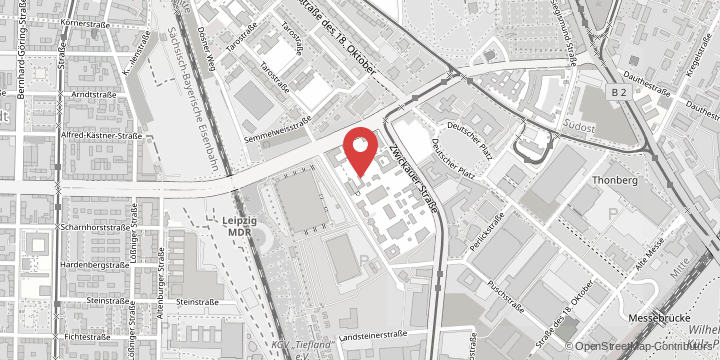
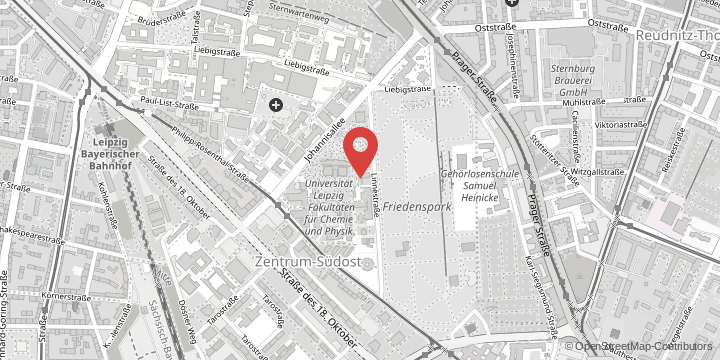
This Emmy Noether project aims to investigate the role, structure and properties of the stress-energy tensor in quantum field theories with self-interaction. The main question is whether quantum energy inequalities (QEIs) can exist in these areas. Dr Daniela Cadamuro heads the Junior Research Group at the Institute of Theoretical Physics.
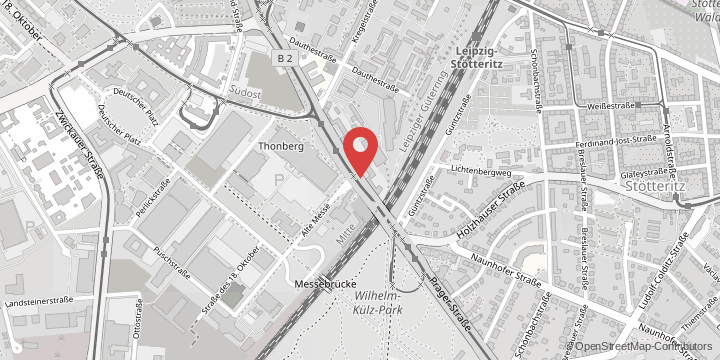
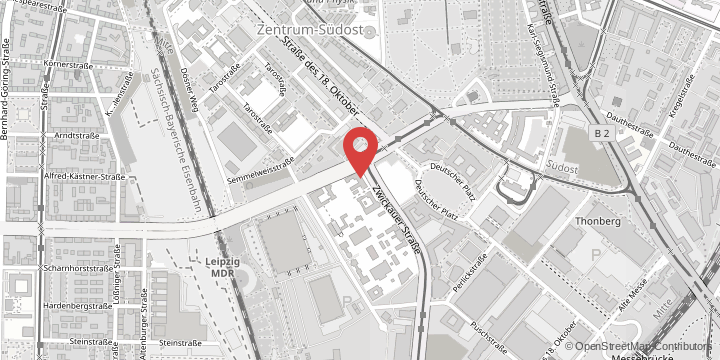
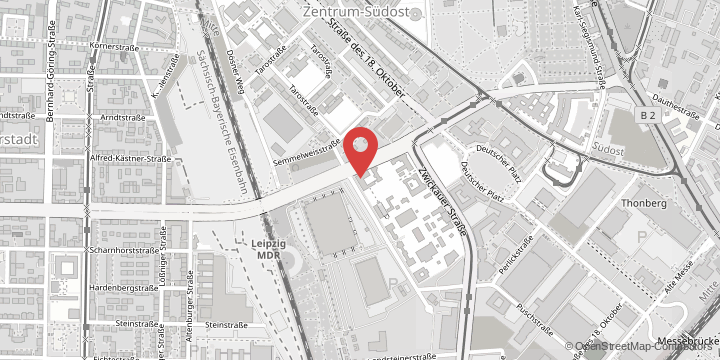
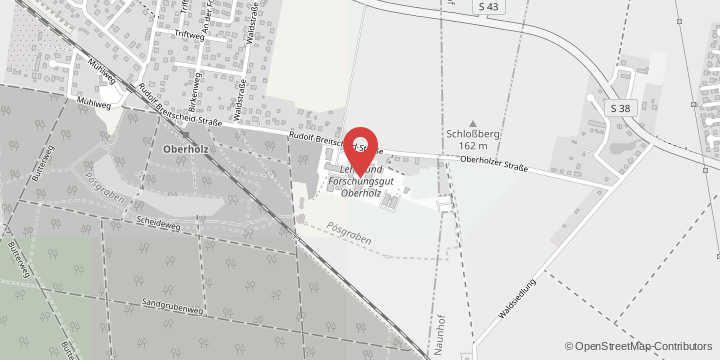
Led by Dr Christiane Schnabel, this Junior Research Group at Leipzig University’s Faculty of Veterinary Medicine what causes severe asthma in horses. The name of the project is ”Antigen Identification and Characterization of Adaptive Immune Responses in Severe Equine Asthma.“ It focuses on the one hand on anitgen identification. On the other, the researchers are seeking adaptive immune responses to specific components from hay dust for the pathogenesis of severe equine asthma.